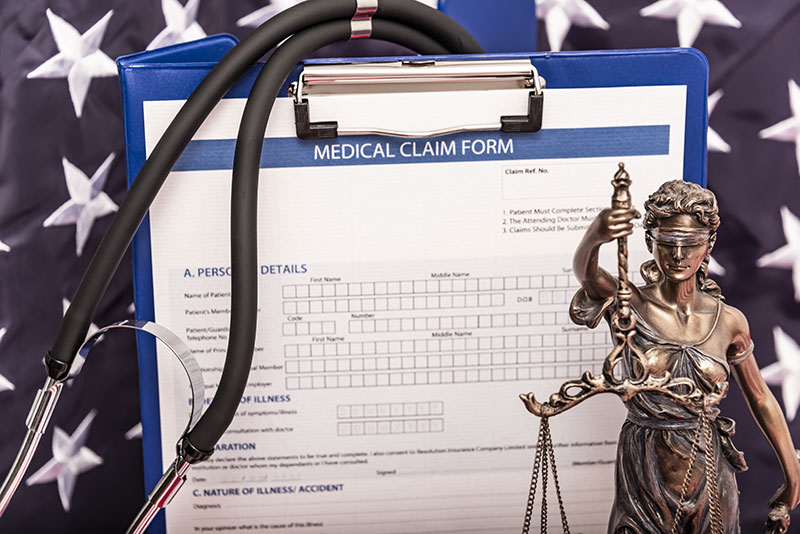
According to research, preventable medical errors stand third among the top causes of death in the United States each year, underscoring how critical (and how complex) medical negligence claims can be for legal and medical professionals alike.
Medical negligence (often used interchangeably with medical malpractice) refers to situations where a healthcare provider fails to deliver services consistent with the accepted standard of care, leading to patient injury or harm. In legal terms, this forms the foundation of a medical malpractice lawsuit.
For attorneys and clinicians navigating these claims in the U.S., understanding the different, key stages of a medical negligence claim process is essential. They need it for building an effective case strategy and outcome management.
This post provides a comprehensive, updated overview of the key stages that a medical negligence claim typically follows – from inception to resolution.
What Are the Key Stages of a Medical Negligence Claim?
- Initial Case Evaluation & Determining Negligence
The first vital step in any medical negligence claim is evaluating whether the facts meet the elements of a legally actionable claim. Legally, for a valid medical negligence case you need to demonstrate four core elements of medical negligence:
- Duty: A professional relationship existed between the patient and the healthcare provider.
- Breach: The provider failed to meet the established standard of care expected in similar circumstances.
- Causation: The breach directly caused the patient’s injury.
- Damages: The patient suffered actual harm (physical, financial, emotional) as a result.
This stage often begins with a review of medical records, clinical documentation, and preliminary investigation to ascertain whether there’s a credible basis for a claim. Attorneys may also consult medical experts to assess whether the standard of care was breached and how that breach caused harm.
- Gathering Medical Records & Investigation
Once a viable claim is identified, both sides proceed to gather evidence. This involves:
- Obtaining Complete Medical Records: Medical record summaries provide details like physician notes, imaging reports, lab tests, prescriptions, and hospital billing information.
- Collecting Statements and Supporting Documents: Medical record organization reveals vital resources as witness accounts, specialist reports, and photographs (if applicable).
The role of medical records in malpractice litigation is crucial. These are foundational in establishing claims. Both plaintiff and defense counsel will work to obtain, review, and organize these records to understand treatment timelines, actions taken by providers, and where deviations may have occurred.
- Pre-Suit Requirements & Expert Opinions (State-dependent)
Before formal litigation begins, some states impose additional requirements:
- Certificate/Affidavit of Merit: Many jurisdictions require the plaintiff to provide a qualified medical expert’s affidavit verifying that the case has merit and conforms to medical standards.
- Pre-Suit Notice: Certain states mandate that plaintiffs provide pre-suit notice to the defendant healthcare provider or insurer before filing a lawsuit.
Engaging qualified medical experts early is crucial, as they help establish breach and causation through credible opinions that support the legal theory of negligence.
- Filing the Lawsuit and Legal Pleadings
If pre-suit conditions are satisfied and litigation is appropriate, the plaintiff’s attorney prepares and files a complaint in the appropriate civil court. This document formally initiates the lawsuit, outlining:
- The parties involved
- Facts of alleged negligence
- Legal grounds for liability
- Types of damages sought
Once filed, the defendant (healthcare provider or facility) must be served and will typically file an answer responding to the allegations.
- Discovery Phase
Discovery is often the longest and most substantive pretrial stage. Both parties exchange information to build their respective cases. Key components include:
- Interrogatories: Written questions requiring answers under oath.
- Requests for Documents: Including medical charts, expert reports, and correspondence.
- Depositions: Sworn testimony from physicians, experts, and parties.
Discovery allows each side to assess the strength of evidence, refine positions, and identify strategic angles for negotiation or trial preparation.
- Settlement Negotiations & Mediation
Most medical negligence claims in the U.S. resolve before trial through settlement negotiations. Attorneys for the plaintiff and defense evaluate:
- Liability strength
- Damages severity
- Costs and uncertainties of trial
Mediation—where a neutral third party helps facilitate resolution—may also be used to help bridge gaps in settlement discussions. When settlement occurs, it typically includes confidentiality clauses and a negotiated compensation amount agreed upon by both sides.
- Trial
If negotiations do not lead to settlement, the case proceeds to trial. Here, the plaintiff must prove every element of negligence to a judge or jury. The trial process typically involves:
- Opening statements
- Presentation of evidence
- Expert and lay witness testimony
- Closing arguments
Medical experts play a central role at trial, explaining standard of care, deviations, causation, and damages in terms the fact-finder can understand. The jury (or judge in a bench trial) then determines liability and any award for damages.
- Verdict, Judgment & Post-trial Motions
After the trial concludes:
- If the plaintiff prevails, a judgment awarding damages is entered.
- If the defense prevails, the case may end without compensation.
Either side may file post-trial motions challenging the judgment or seeking a new trial based on legal errors or evidentiary issues. Appeals may follow, extending the timeline significantly.
- Collecting Compensation & Enforcement
If a plaintiff secures a favorable judgment, the next practical step is collecting the award. Although rare in medical malpractice contexts (given most settle earlier), this can involve:
- Structured payments
- Insurance disbursements
- Legal enforcement of judgments
An experienced attorney ensures that compensation—whether through settlement or verdict—is properly obtained and enforced.
- Statute of Limitations and Timing Considerations
Medical negligence claims in the U.S. are subject to statutes of limitations, which vary by state (often 1–4 years from the date of injury or discovery). Some jurisdictions recognize doctrines like the continuous treatment doctrine, which may extend filing deadlines when ongoing care obscures the precise date of injury.
Prompt action is critical-delays in consulting counsel can jeopardize a claim before it even begins.
A Coordinated Approach to Medical Negligence Claims
For U.S. medical and legal professionals, mastering the key stages of a medical negligence claim—from early evaluation to trial and enforcement-is fundamental to guiding clients through these high-stakes, complex cases. Each phase carries unique procedural and strategic considerations, making early collaboration among attorneys, medical experts, and case support services essential for success.
If you’re navigating or preparing for a medical negligence claim, a structured roadmap through these stages can help align legal strategy with clinical insight and procedural requirements.
Preparing for a Medical Negligence Case?
Contact us to streamline medical record analysis and strengthen your litigation strategy today!